Artificial intelligence has reshaped how users search, interact, and choose apps. From AI chatbots and smart editors to predictive fitness trackers, the app market is flooded with intelligent experiences. But with this evolving innovation comes a tougher challenge, i.e, getting discovered.
This is where app store SEO (commonly known as app store optimization) plays a critical role. For developers and marketers building AI-powered apps, visibility no longer depends only on captivating features or sleek interfaces. It’s about aligning your app’s AI features with how people actually search and engage within app stores.
Modern app optimization strategies now rely on intent-based keywords, AI engagement metrics, and smarter metadata to improve rankings. Understanding these evolving app store optimization (ASO) techniques is essential to stand out in a market where every app claims to be “AI-driven.”
In this blog, we’ll take a closer look at how AI-driven capabilities are reshaping App Store SEO and uncover the real factors that determine App discovery in 2026.
- The Evolution of App Store SEO for AI Features
- Why AI Changes the Game for App Optimization
- How App Store SEO Works for AI-Driven Apps
- App Store Optimization Techniques for AI Apps
- Key App Store Optimization Trends in 2026
- What Will Future Prioritize in App Store SEO for AI Features?
- The Takeaway
- Frequently Asked Questions
The Evolution of App Store SEO for AI Features
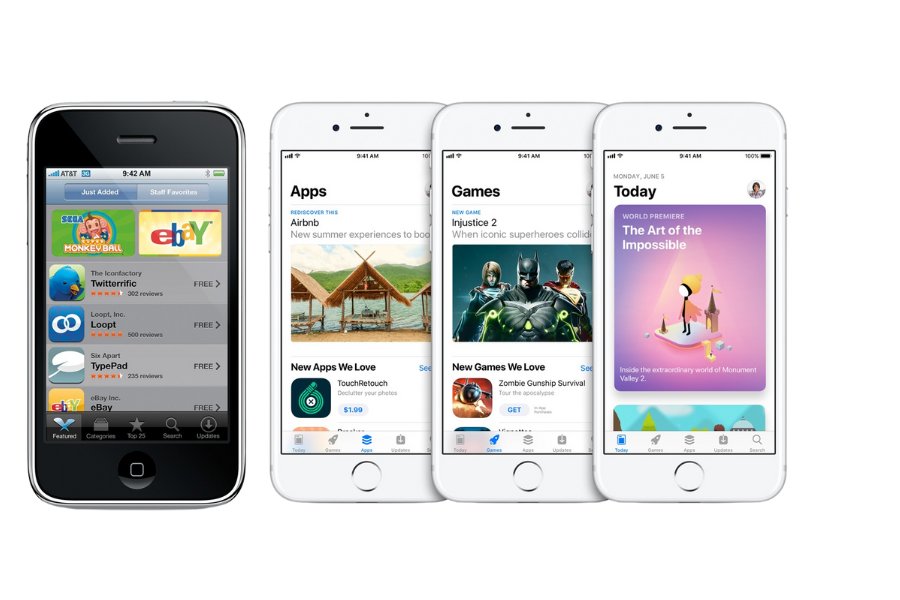
In the early days, app store SEO revolved around titles, descriptions, and reviews. But AI has changed that landscape entirely. Today, app stores like Google Play and Apple’s App Store use advanced machine learning to understand context, user intent, and behavioral engagement.
That means the algorithms don’t just look for keywords like “AI photo editor” or “AI assistant.” They now evaluate how well the AI features perform, how often users return to use them, and whether those features deliver real value.
Why AI Changes the Game for App Optimization
AI-based apps don’t follow typical usage patterns; instead, they operate in real-time. A productivity app might be opened once or twice a day, while an AI chatbot could see hundreds of interactions. App stores have begun to interpret these metrics differently, recognizing AI engagement as a sign of app quality.
Here’s how that affects your app optimization strategy:
1. Interaction Data:
Frequent use of AI features indicates strong user satisfaction, boosting your app’s rank.
2. Personalized Value Delivery:
If your AI adapts to user behavior, it increases retention, which directly impacts app store optimization performance.
3. Continuous Updates:
AI models evolve rapidly. Regular updates showing improvements or new AI capabilities signal to the app store that your app is active and improving.
Together, these signals redefine what App Store Optimization Trends look like in 2026.
How App Store SEO Works for AI-Driven Apps
The mechanics of app store SEO are still based on three pillars: visibility, conversion, and retention; however, how each is achieved has changed with the integration of AI. Let’s have a glimpse of it:
1. Visibility: Smarter Keyword Targeting
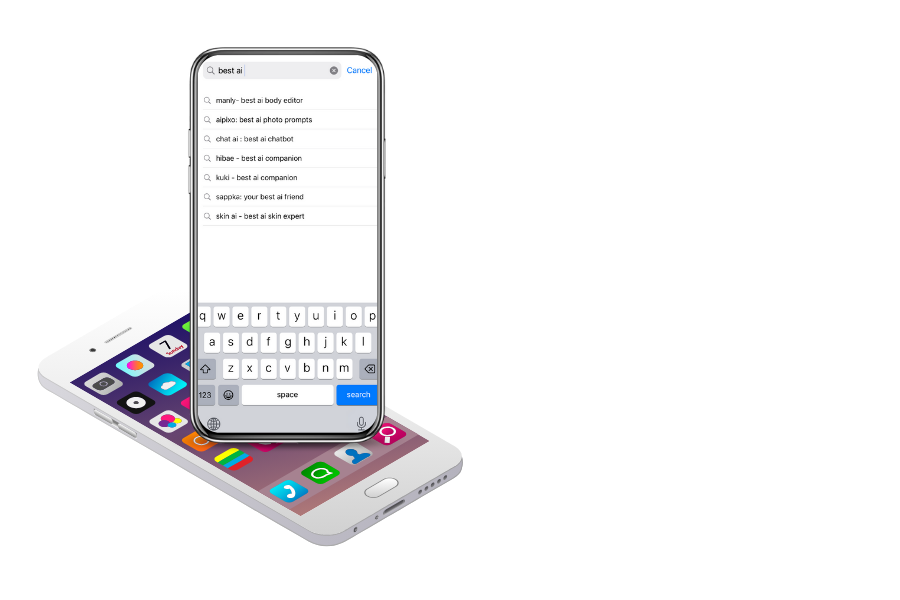
AI-focused users now search using natural phrases like “best AI photo enhancer” or “AI that summarizes text.” To capture this, developers must use long-tail keywords in titles, short descriptions, and metadata. These combinations improve SEO for apps by directly aligning with real user search patterns.
2. Conversion: Visual Proof of Intelligence
Users don’t download AI apps based on text alone. Screenshots, preview videos, and demo clips that show how your AI works are far more persuasive.
Note: On iOS, run Product Page Optimization to A/B test screenshots/previews; spin up Custom Product Pages to align creatives to specific queries/ASA ad groups.
3. Follow App Store Optimization Best Practices by:
- Highlighting AI in action (e.g., before-and-after comparisons)
- Showing real user benefits
- Using captions that mention AI output (“AI removes background in one tap”)
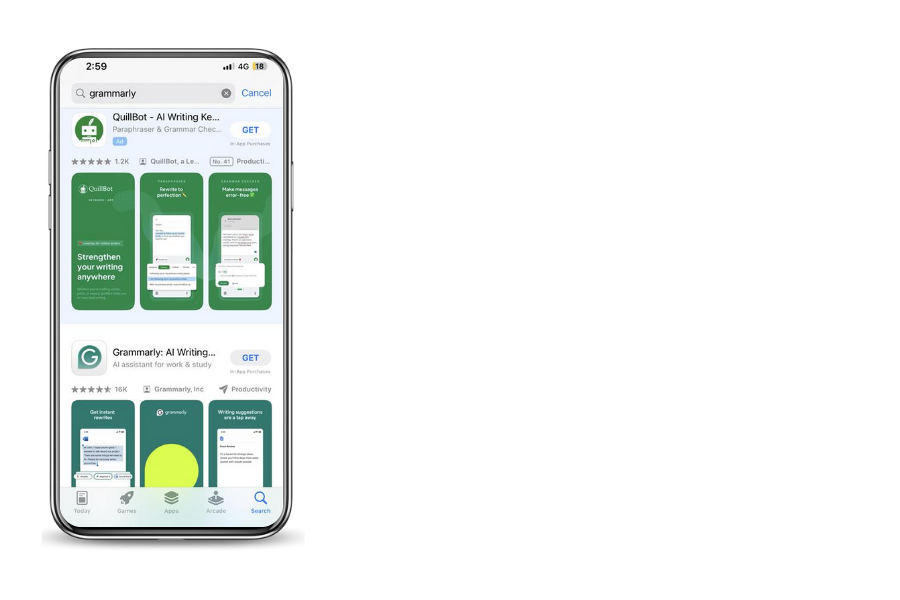
These assets increase conversions, which improves your ranking under app store optimization algorithms, as shown in the image.
4. Retention: Sustaining Engagement
App stores now measure post-install behavior as a ranking factor. If users consistently use AI tools within your app, your app appears more trustworthy. Tracking AI-related retention and updating metadata accordingly is a key app optimization step.
App Store Optimization Techniques for AI Apps
Let’s explore actionable App Store Optimization Techniques that can make your AI app stand out in 2026.
1. Optimize Metadata for AI-Specific Search Terms
Use a mix of broad and niche terms that reflect your app’s AI capabilities.
Example: Primary keywords like AI assistant, AI chatbot, AI writing app can be complemented with contextual phrases such as smart note-taker or AI-powered editor.
This balance ensures better seo for app store visibility.
2. Leverage User Reviews About AI Performance

Source: Remini App Store Reviews
Encourage users to mention AI performance in their reviews. Reviews like “This AI summarizes perfectly” or “AI camera works flawlessly” help algorithms associate your app with AI-related searches.
3. Integrate In-App Events for AI Engagement

Source: Gmail App Store Events
App stores now display in-app events. Hosting limited-time AI updates or challenges (e.g., “Try our new AI art filter”) can improve click-through rates, a vital element of modern application store optimization.
Note: Link iOS In-App Events and Play Promotional Content (LiveOps) to feature launches (e.g., ‘New AI art filter’) for store-wide placements.
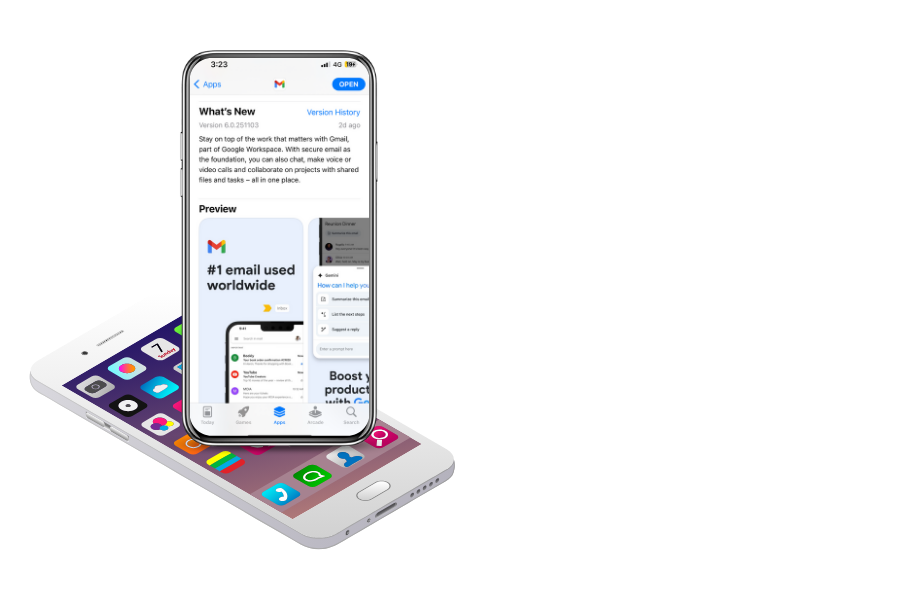
4. Maintain Frequent AI Model Updates
Source: Gmail App Store Images
Since AI models evolve fast, consistent updates show progress and innovation. Each update gives you a new opportunity to improve rankings through app store optimization.
5. Test and Analyze Conversion Metrics
Experiment with creative assets, store listings, and CTA wording. A/B testing different visual approaches ensures your app optimization remains data-driven, not assumption-based.
Key App Store Optimization Trends in 2026
The landscape of App Store Optimization Trends is shifting fast. For AI apps, some key developments include:
1. AI-Driven Search Algorithms:
App stores use their own AI to interpret user intent. Apps that clearly demonstrate machine learning or generative capabilities gain algorithmic preference.
2. Holistic Ranking:
Along with ranking apps by total installs, app stores also consider engagement and quality signals (retention, ratings, stability) as a ranking system.
3. Voice Search Optimization:
With more users using voice queries like “find an app that generates captions,” seo for apps must adapt by optimizing for natural-language queries.
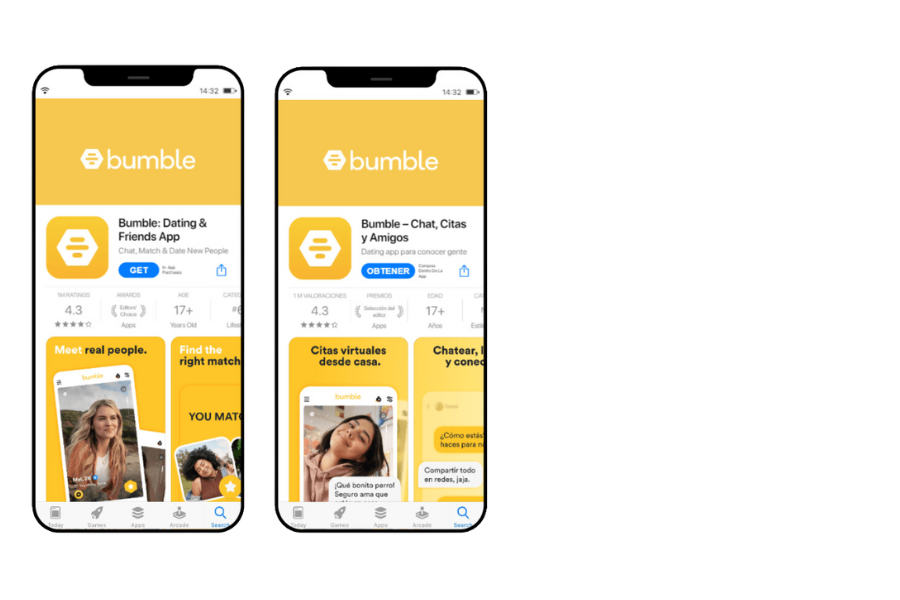
4. Localized AI Descriptions:
Source: Bumble iOS app store listing
AI-driven personalization varies by region. Localizing your description with AI-contextual examples boosts downloads globally, strengthening your app store optimization results.
What Will Future Prioritize in App Store SEO for AI Features?
As AI becomes a core part of most digital experiences, app discovery will rely more on intelligent indexing and semantic relevance. Future app store SEO will reward apps that deliver genuine, useful AI functionality over those that simply mention “AI” for visibility.
To stay ahead, focus on:
- Authentic AI performance metrics
- Transparent communication about AI features
- Continuous optimization of metadata, visuals, and reviews
By aligning with modern App Store Optimization Techniques, developers can ensure their apps don’t get lost in the growing crowd of “AI-powered” offerings.
The Takeaway
In 2026, app store SEO for AI-powered apps is about more than just visibility; it’s about building trust, driving engagement, and delivering real value. Algorithms now favor apps that genuinely improve user experience through intelligent features and consistent updates. If your app embraces innovation and follows modern app store optimization strategies, discovery becomes a natural outcome.
At Soluzione, we help you turn your AI-driven app into something users actually find and love. From keyword strategy to full-scale app optimization, our experts make sure your app ranks higher and performs better. Let’s put your AI app in the spotlight, connect with Solution, and start growing today. Visit “Soluzione” or book a call with our experts now!
Read More: https://www.solzit.com/blog/
Frequently Asked Questions
What role do visuals, metadata, and app descriptions play in App Store SEO?
Visuals, metadata, and descriptions directly impact both ranking and conversion. Clear screenshots and demo videos show how the app’s AI features work, while optimized metadata and keyword-rich descriptions help the algorithm understand app functionality. Together, they enhance app store SEO by improving click-through and install rates.
How important are ratings, reviews, and retention for AI-driven app discovery?
They are crucial ranking factors. Consistent high ratings and positive reviews build credibility and signal user trust. Retention indicates long-term satisfaction with AI features, which app stores reward by improving visibility in relevant search categories.
How do AI recommendations in app stores impact organic app installs?
AI-powered recommendation engines now personalize app suggestions based on user preferences and behavior. If your app aligns with these patterns and shows strong engagement metrics, it’s more likely to be featured in “recommended” sections, leading to higher organic installs without paid promotion.
What future trends should developers prepare for in App Store SEO beyond 2026?
Developers should focus on semantic search optimization, voice and visual search readiness, and adaptive AI-driven metadata. Continuous app updates, transparent AI usage, and strong user experience design will become central to app store optimization strategies in the years ahead.