
In marketing, “Direct Marketing vs. Indirect Marketing” is a critical debate that serves as a roadmap for businesses as they pursue their marketing objectives. They can determine how their brand attracts attention, builds trust, and drives conversions with this differentiation.
Both strategies are fundamental, but they serve different purposes and can significantly impact your brand’s growth. Direct marketing gives you speed, clarity, and measurable actions. Indirect marketing builds familiarity, authority, and long-term brand affinity. Today, your favourite brand has consistently grown, as its marketers know exactly when they need a direct push and when they need a long-term pull.
- What is Direct Marketing?
- Top 5 Channels Used in Direct Marketing
- Top Known Brands Direct Marketing Examples
- Top 5 Common Channels Used in Indirect Marketing
- 1. Social Media Marketing
- Top Known Brands: Examples of Successful Indirect Marketing Strategies
- Direct Marketing Vs Indirect Marketing: Key Differences
- When to Choose Direct, Indirect—or Both?
- Best Use Cases of Indirect Marketing
- Situations Where Indirect Marketing Outperforms
- Combining Direct Marketing and Indirect Marketing for Maximum ROI
- Final Thoughts on Direct Marketing vs Indirect Marketing
- Words From Soluzione
- Frequently Asked Questions
What is Direct Marketing?
Direct marketing is a strategy where businesses communicate directly with their customers, aiming for immediate responses or actions. The interaction is one-on-one, targeting a specific audience segment with a personalized message.
|“In direct marketing, every action is measurable, and that makes it one of the most powerful tools for business growth.”
– David Ogilvy
Top 5 Channels Used in Direct Marketing
Common direct marketing channels include:
1. Email Marketing
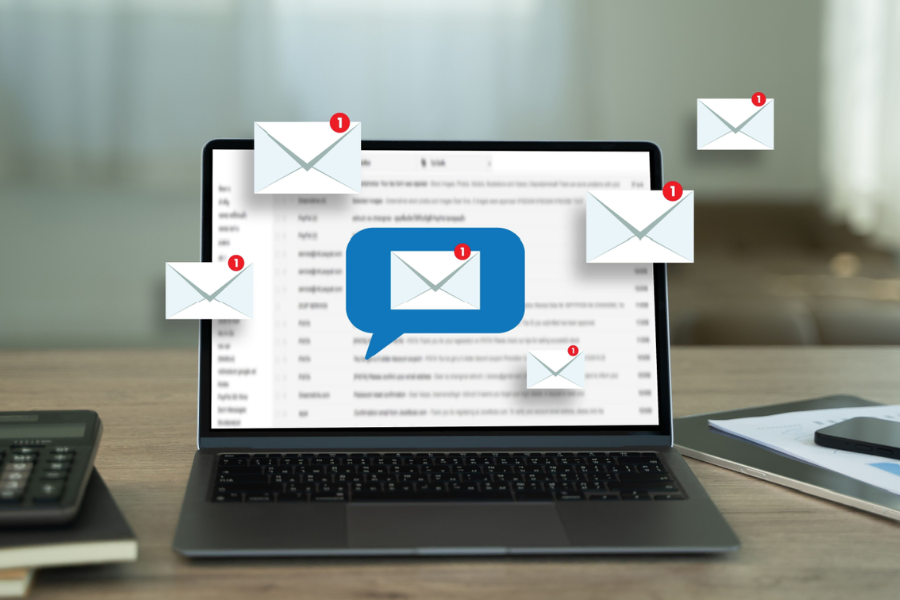
Email marketing involves sending targeted messages directly to consumers’ inboxes. This channel allows businesses to reach a specific audience with personalized offers, promotions, newsletters, or updates. It’s effective because it’s immediate, measurable, and can be automated for different customer segments. For example, e-commerce businesses often use email marketing for abandoned cart reminders or product recommendations.
2. SMS Marketing
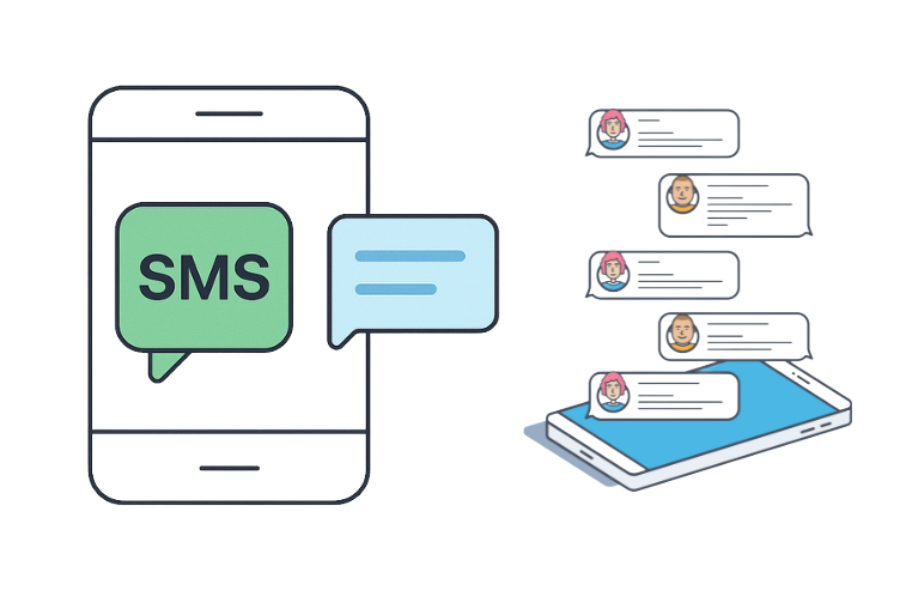
SMS marketing sends promotional messages or alerts directly to a consumer’s mobile phone via text. This direct and immediate form of communication has a high open rate and is ideal for time-sensitive offers, event reminders, or personalized promotions. Retailers or food delivery services often use SMS marketing for flash sales or discount codes.
3. Telemarketing

Telemarketing involves reaching out to potential customers by phone. This method allows businesses to directly interact with their target audience, answer questions, and make personalized sales pitches. Telemarketing is often used by financial services, telecommunications, or insurance companies for lead generation or follow-up.
4. Direct Mail

Direct mail refers to sending physical promotional materials like postcards, brochures, catalogs, or letters directly to customers’ mailboxes. While it may seem old-fashioned, direct mail is still effective for targeting local demographics and offers a tangible way to engage customers. Real estate agencies, furniture stores, and nonprofit organizations use direct mail to announce new listings, product launches, or fundraising campaigns.
5. Paid Online Ads Targeting Specific Demographics

Paid online ads (like Google Ads, Facebook Ads, or Instagram Ads) allow businesses to target specific demographics based on factors like age, location, interests, and behavior. These ads appear directly to a selected audience, aiming to drive immediate action (like clicks, sign-ups, or purchases). For example, an online clothing store might run paid ads targeting young adults interested in fashion.
Benefits of Direct Marketing
- Personalized Communication: Direct marketing allows for highly personalized messages tailored to specific customer needs.
- Measurable Results: Direct marketing campaigns are easily trackable, providing clear insights into performance metrics like open rates, clicks, and conversions.
- Immediate Impact: The goal is often to drive instant action, such as a purchase or sign-up.
Top Known Brands Direct Marketing Examples
1. Amazon – Personalized Email Campaigns
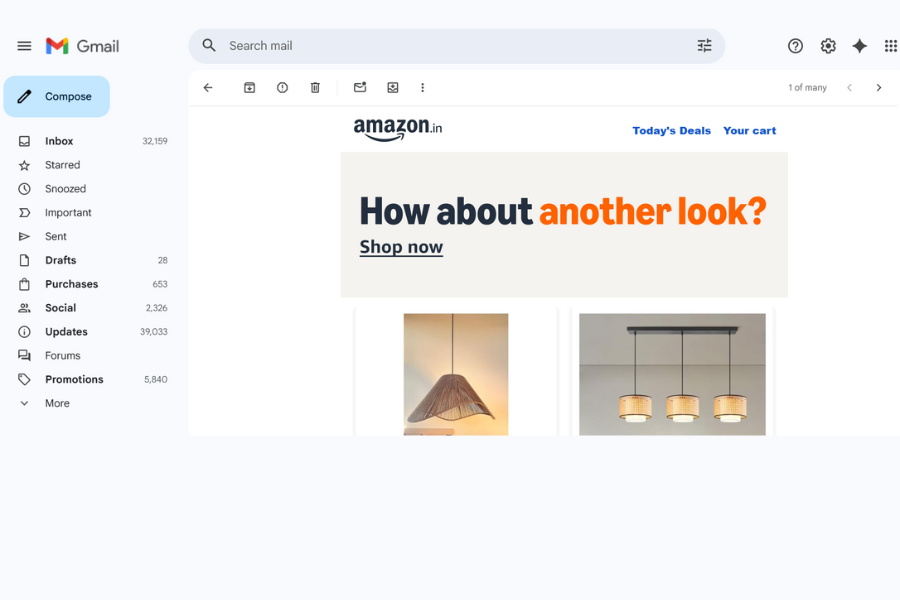
Amazon excels at using personalized email marketing, sending targeted recommendations based on customers’ past purchases, search history, or items in their cart. Their emails often include personalized offers, limited-time discounts, and product suggestions, driving immediate conversions.
2. IKEA – Catalog Mailing
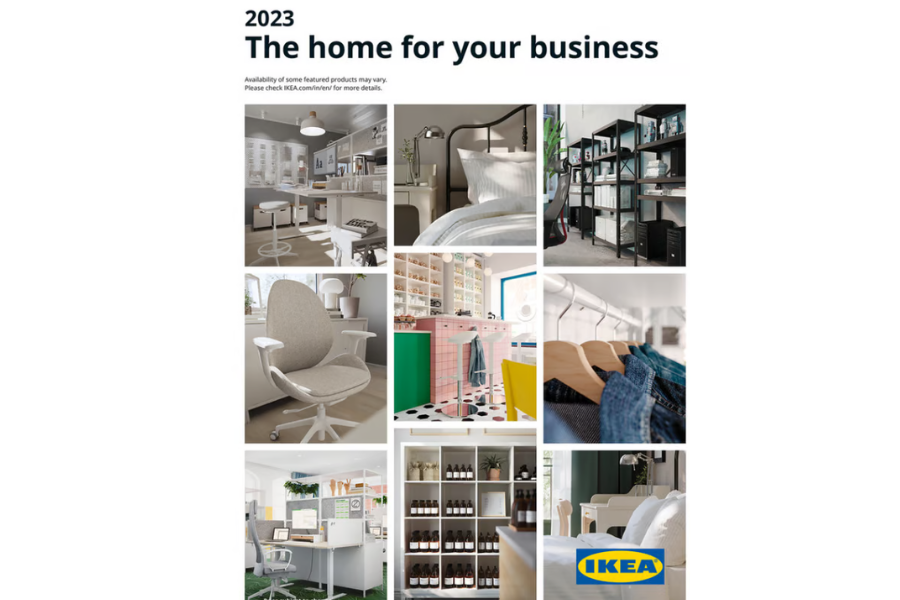
Image Source
IKEA is famous for its yearly catalog, which is delivered to millions of households. This direct mail marketing strategy highlights their latest product collections, inspiring customers to visit their stores or shop online.
3. American Express – Targeted Direct Mail
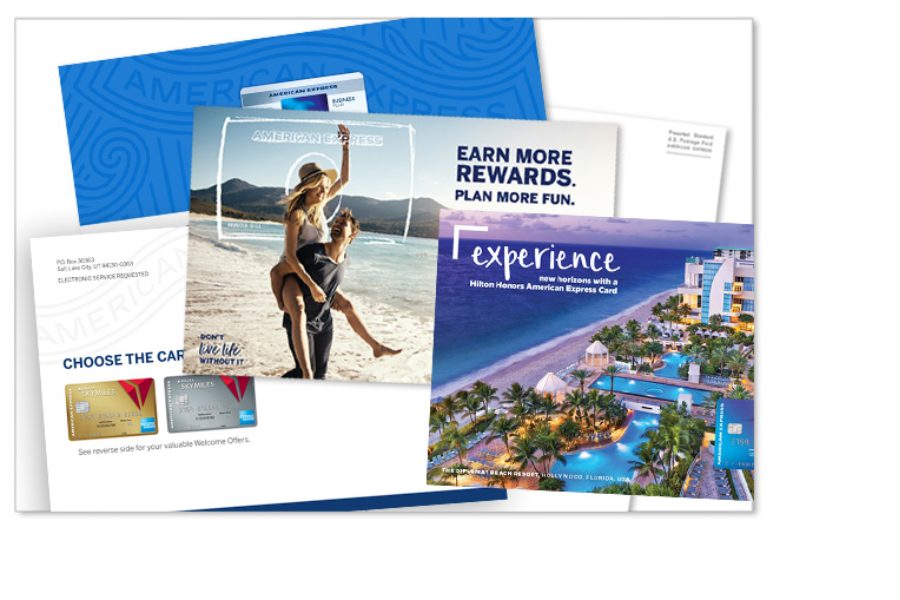
Image Source
American Express frequently uses direct mail to send tailored credit card offers to specific demographics based on income, credit score, and spending patterns. These personalized offers lead to high response rates and new customer acquisitions.
4. Domino’s Pizza – SMS Marketing
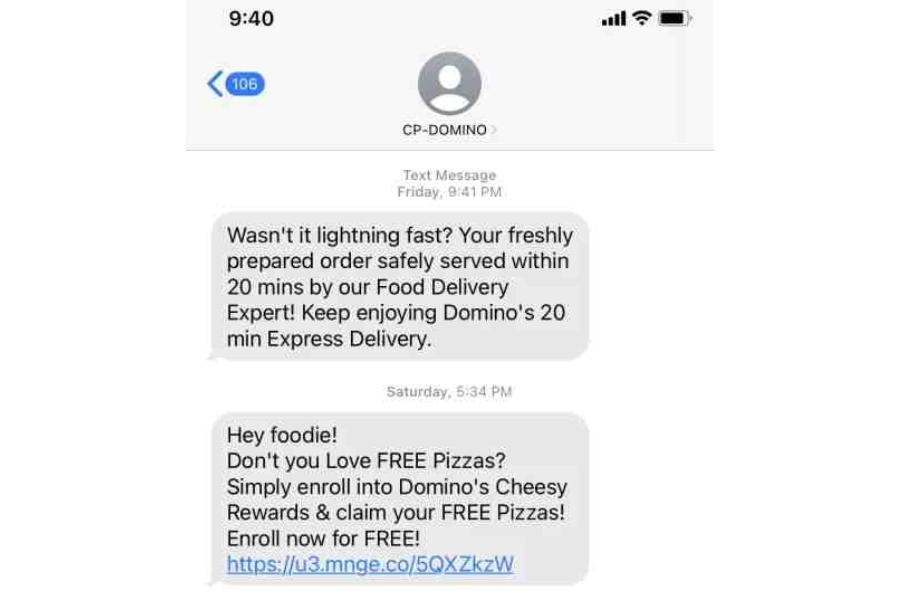
Image Source
Domino’s uses SMS marketing to offer real-time deals and promotions. By sending personalized SMS messages with discount codes or special offers during peak hours, they encourage immediate orders.
What is Indirect Marketing?
Indirect marketing focuses on creating brand awareness and nurturing relationships over time without directly asking for a response. The goal is to develop trust and establish long-term connections.
| “Indirect marketing is planting seeds. It’s the art of nurturing relationships without pushing for an immediate sale.”
– Neil Patel
Top 5 Common Channels Used in Indirect Marketing
1. Social Media Marketing
Social media marketing uses platforms like Facebook, Instagram, Twitter, LinkedIn, and TikTok to build brand awareness, engage with followers, and foster relationships with potential customers. The focus here is less on direct selling and more on sharing content, interacting with users, and creating a community around the brand. This type of marketing is crucial for lifestyle brands, influencers, and businesses looking to build a loyal audience.
As per the Research, 79% of consumers say user-generated content highly impacts their purchasing decisions, illustrating the power of social proof. Source: Nielsen.
2. Content Marketing (Blog Posts, Videos, Infographics)
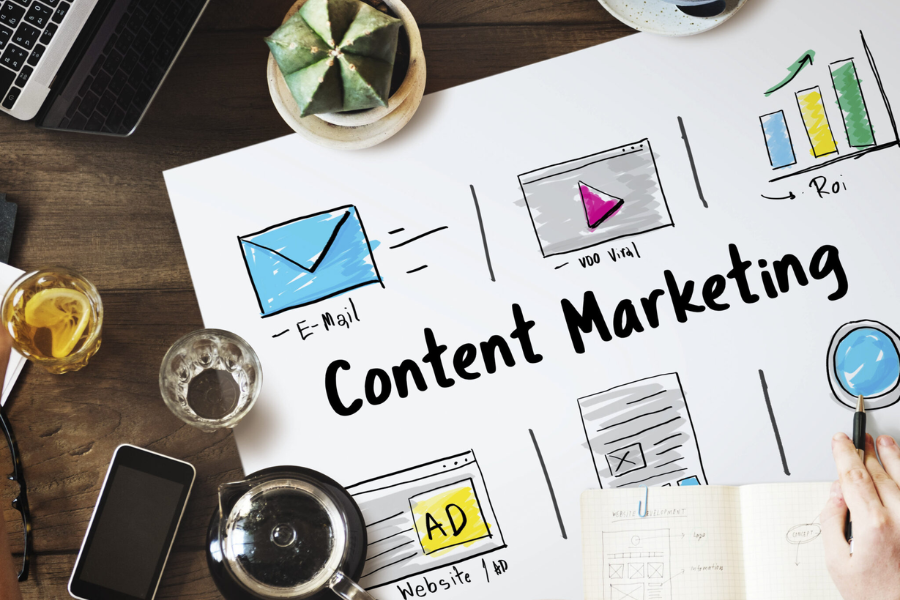
Content marketing involves creating and distributing valuable, relevant, and consistent content to attract and engage a clearly defined audience. Common forms of content marketing include blog posts, videos, infographics, podcasts, and eBooks. The goal is to provide useful information that solves the audience’s problems without directly promoting products or services. This strategy is often used by B2B companies, SaaS providers, and educational platforms.
3. Public Relations (PR)
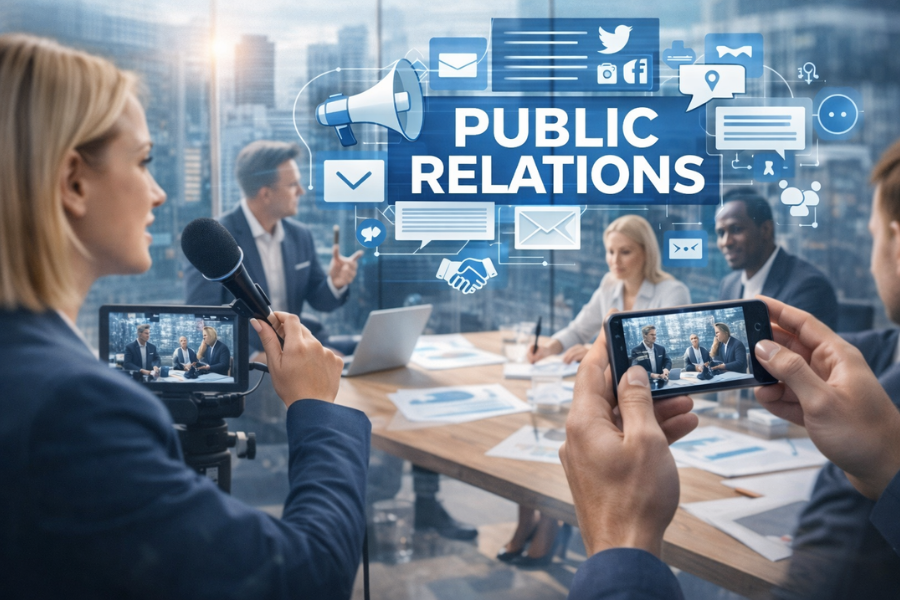
Public relations is all about managing a brand’s reputation and building relationships with the public, media, and stakeholders. Instead of directly promoting products, PR efforts focus on positive media coverage, handling crises, and creating goodwill through events, sponsorships, or community involvement. Companies use PR to build credibility and trust without pushing for immediate sales. Examples include a tech company issuing press releases about new innovations or a nonprofit getting media coverage for its cause.
4. Search Engine Optimization (SEO)
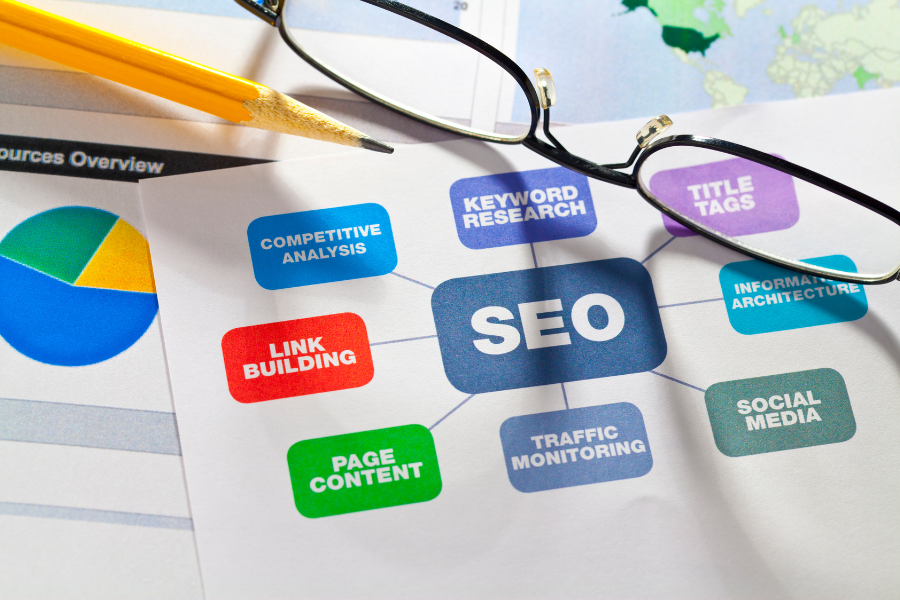
SEO involves optimizing a website to rank higher in search engine results for relevant queries. The goal is to attract organic traffic from users searching for information related to the business’s products or services. SEO strategies include keyword optimization, backlink building, improving website speed, and creating high-quality content. Brands use SEO to gain visibility and attract potential customers over time. For example, a law firm might optimize their website for terms like “best personal injury lawyer” to attract clients looking for legal help.
5. Influencer Marketing

Influencer marketing leverages social media influencers (individuals with large, engaged followings) to promote a brand’s products or services. Instead of traditional advertising, influencers create authentic content featuring the brand and share it with their followers. This builds trust and credibility for the brand indirectly. Influencer marketing is common in fashion, beauty, health, and lifestyle industries where followers trust the influencer’s recommendations.
Benefits of Indirect Marketing
- Brand Loyalty: Indirect marketing helps build brand loyalty by fostering meaningful interactions without being overly sales-focused.
- Long-Term Value: It’s ideal for creating lasting relationships that pay off over time, rather than seeking instant conversions.
- Non-Intrusive: Consumers are more likely to engage with a brand when the content offers value without demanding immediate action.
Top Known Brands: Examples of Successful Indirect Marketing Strategies
1. Coca-Cola – Social Media Content Marketing
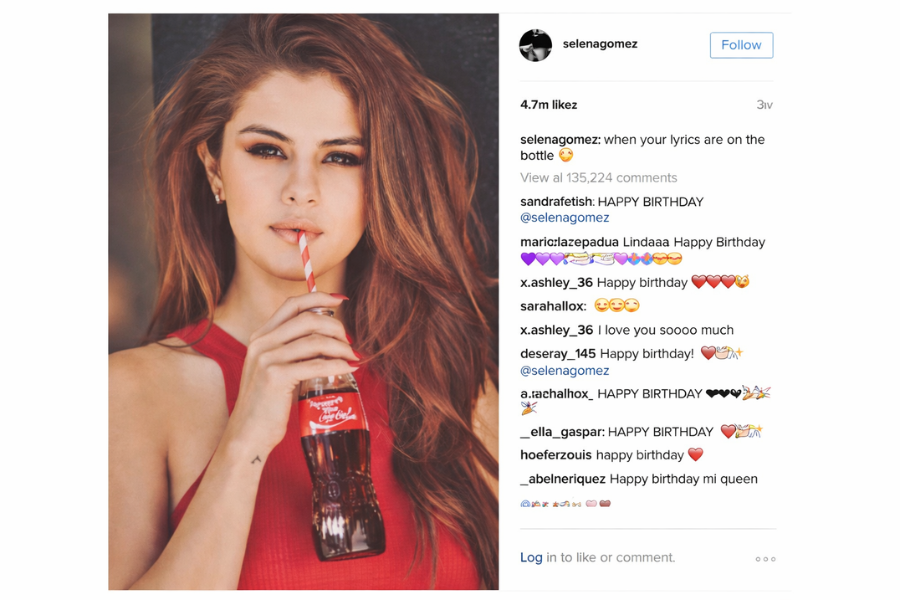
Image Source
Coca-Cola is a master of indirect marketing through its “Share a Coke” campaign, which encouraged customers to share personalized bottles on social media. This indirect strategy promoted the brand without a direct sales pitch, engaging customers and building brand loyalty.
2. Nike – Brand Storytelling Through Content
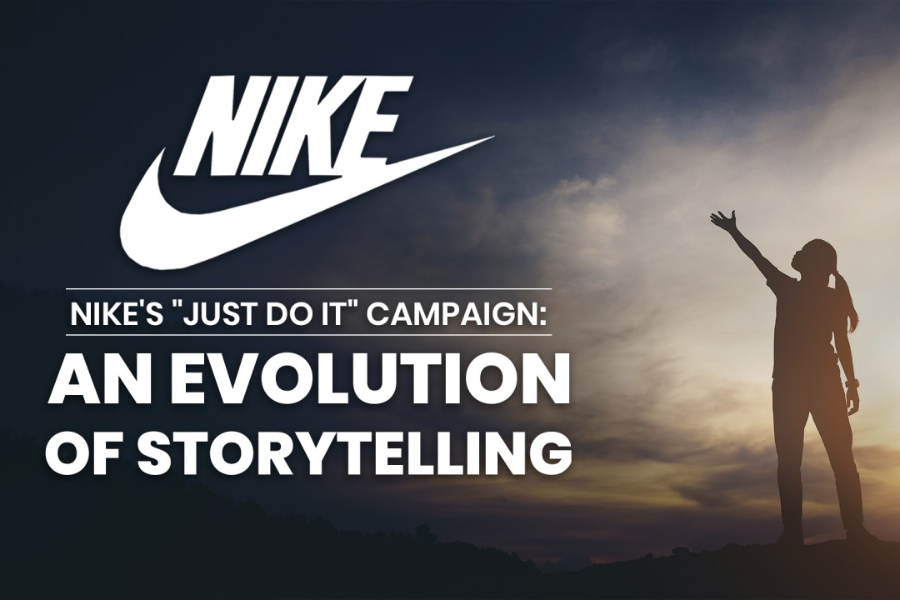
Image Source
Nike uses indirect marketing by focusing on storytelling through its “Just Do It” campaign. Instead of pushing products directly, they share inspirational stories about athletes, perseverance, and achievement. This creates emotional connections and long-term brand loyalty.
3. Red Bull – Event Sponsorships and Content Creation
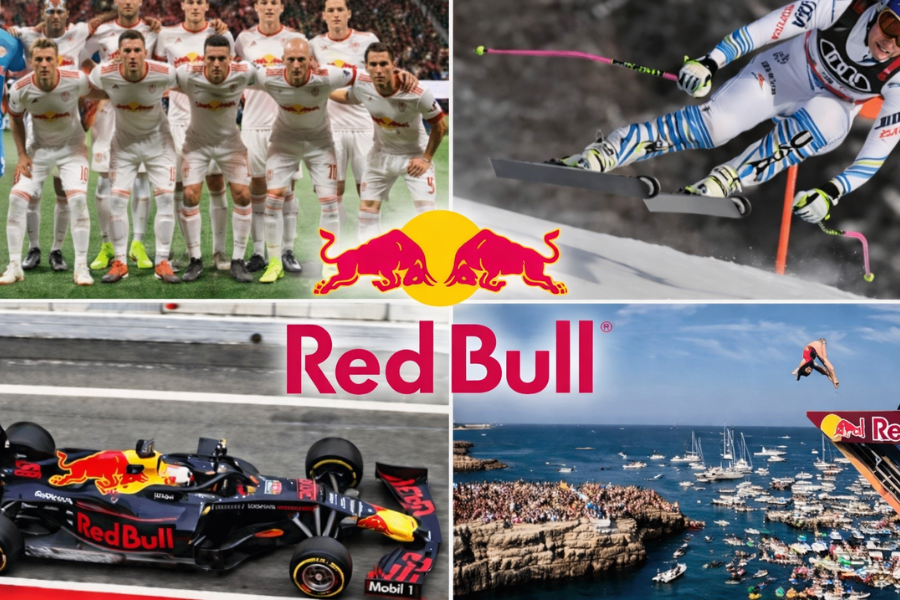
Image Source
Red Bull is known for its focus on extreme sports and action content and has become synonymous with adventure. Their sponsorship of events like the Red Bull Stratos jump and engaging content across YouTube and social media are prime examples of how they build brand awareness and loyalty indirectly.
4. HubSpot – Educational Blog and Content Marketing

Image Source
HubSpot, a leader in inbound marketing software, uses indirect marketing by offering free resources like blogs, eBooks, and webinars that educate their audience about digital marketing and sales. This content builds trust and positions HubSpot as an authority without immediately pushing for a sale.
Direct Marketing Vs Indirect Marketing: Key Differences
The top 6 differences between direct and indirect marketing are mentioned below in tabular form:
Aspect | Direct Marketing | Indirect Marketing |
Goal | Drive immediate response or action (purchase, sign-up) | Build long-term brand awareness and customer relationships |
Audience Interaction | One-on-one, personalized communication | Broader, less direct communication |
Channels | Email, SMS, direct mail, telemarketing, paid ads | Social media, SEO, content marketing, PR, influencer marketing |
Measurement | Easy to track with specific metrics (clicks, opens, conversions) | More difficult to measure immediate impact; long-term metrics like engagement and brand sentiment are used. |
Response Time | Immediate, often aiming for real-time action | Long-term relationship-building, with conversions occurring over time |
Cost | Typically, higher due to targeted ads and personalized content | Can be lower, especially with organic methods like SEO or social |
Achieve More with a Balanced Marketing Approach!
When to Choose Direct, Indirect—or Both?
Best Use Cases of Direct Marketing
Direct marketing is most effective when you require immediate action or are targeting a specific group with a compelling offer. It’s especially useful for:
- Limited-time promotions
- Product launches
- Follow up with inactive customers
Industries That Benefit Most from Direct Marketing
- E-commerce brands that need to convert leads into sales.
- Subscription services looking to onboard new users.
- Event organizers promoting upcoming events to potential attendees.
Best Use Cases of Indirect Marketing
Indirect marketing shines when your goal is to build trust, create brand awareness, or engage your audience over time. It’s ideal for:
- Nurturing potential customers who aren’t ready to make a purchase immediately.
- Establishing thought leadership through valuable content.
- Building a social media presence and engaging your audience with informative or entertaining posts.
Situations Where Indirect Marketing Outperforms
Indirect marketing works best for industries where decision-making processes take longer, such as B2B services, luxury goods, or high-investment products like real estate or automotive sales. Indirect marketing helps keep your brand top-of-mind until the customer is ready to purchase.
Combining Direct Marketing and Indirect Marketing for Maximum ROI
The best marketing strategies often use a combination of both direct and indirect marketing approaches. While direct marketing drives immediate action, indirect marketing fosters relationships that result in long-term customer loyalty.
How to Create a Balanced Strategy
- Use direct marketing to push limited-time offers or promotions to leads who are ready to convert.
- Leverage indirect marketing for broader audience engagement through educational content, social media, and SEO to drive organic traffic.
- Combine both approaches by using indirect marketing to attract leads and direct marketing to nurture and convert those leads into customers.
Final Thoughts on Direct Marketing vs Indirect Marketing
Choosing between direct and indirect marketing depends on your business goals, target audience, and budget. Direct marketing is ideal for immediate results and targeted campaigns, while indirect marketing focuses on building long-term brand awareness and customer relationships. Most businesses don’t succeed by choosing one over the other, but by knowing when each approach makes sense.
By understanding the unique advantages of each method, you can use your marketing efforts to drive both short-term and long-term success.
Words From Soluzione
Every brand’s journey is different, and so is the mix of marketing strategies that works for them. If you’re exploring direct marketing for immediate results or indirect marketing to build long-term brand awareness, our marketing team experts are here to help. At Soluzione, we specialize in crafting customized digital marketing strategies that drive growth and engagement. Contact us today to discover how we can optimize your marketing efforts and fuel your business success!
Read More: https://www.solzit.com/blog/
Frequently Asked Questions
What is indirect marketing?
Indirect marketing focuses on building brand awareness and fostering relationships over time without directly pushing for a sale. It utilizes channels such as social media, content marketing, public relations, SEO, and influencer marketing.
What are the main differences between direct and indirect marketing?
The main differences lie in their goals and approaches. Direct marketing aims for immediate responses and personalized communication, while indirect marketing seeks to build long-term relationships and brand loyalty through value-driven content.
Which marketing strategy is more effective?
The effectiveness of each strategy depends on the business goals and target audience. Direct marketing is effective for immediate conversions, while indirect marketing is better for long-term engagement and brand trust. A balanced approach often yields the best results.
When should I use direct marketing?
Direct marketing is ideal for time-sensitive offers, product launches, or targeting specific customer segments who are likely to convert quickly, such as existing customers or leads.
When is indirect marketing the better choice?
Indirect marketing is preferable when your goal is to establish brand awareness, educate potential customers, or build trust over time. It's especially useful in industries where decision-making processes are longer.
Can I use both direct and indirect marketing together?
Yes! Combining both strategies can create a comprehensive marketing plan. Use direct marketing for immediate actions while employing indirect marketing to nurture leads and build brand loyalty.
How do I measure the success of direct marketing campaigns?
Success can be measured through metrics such as response rates, conversion rates, ROI, and customer acquisition costs. Tools like A/B testing and tracking links can also provide insights.
What are some examples of successful direct marketing campaigns?
Examples include Amazon’s personalized email campaigns, IKEA’s direct mail catalogs, and targeted SMS promotions from retailers like Domino’s Pizza.
What are some successful indirect marketing examples?
Successful examples include Coca-Cola’s social media engagement campaigns, Nike’s storytelling through content, and HubSpot’s educational resources that establish authority and trust in their field.
Related Posts
– Which Digital Marketing Services are Crucial for Business Growth?
– All you need to know about choosing the Best CMS for SEO
– How can SMO and SMM boost your online presence?




December 4, 2025, 01:48
This post offers a great comparison of direct and indirect marketing strategies! I appreciate how you broke down the pros and cons of each approach. It really helps to clarify when and why to use each method. Looking forward to more insights like this!
December 4, 2025, 09:48
Thank you for the inspiring feedback
January 27, 2026, 15:58
I appreciate you sharing this blog post. Thanks Again. Cool.